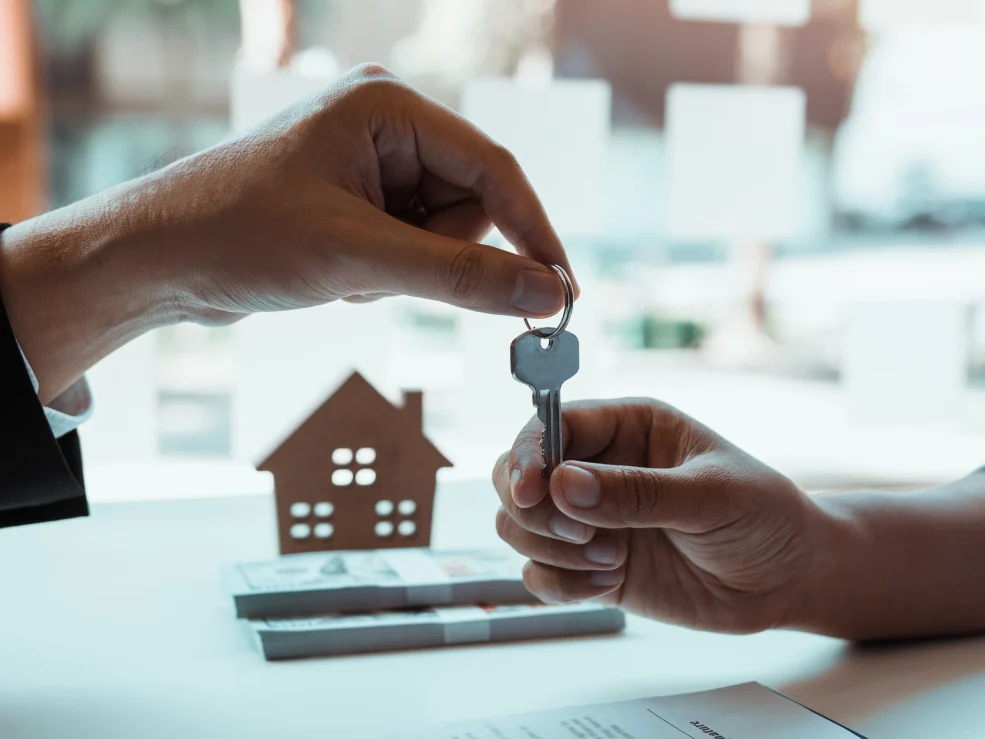
Buying a home is one of the biggest financial commitments you’ll ever make, and it’s easy to get swept up in the excitement of finding your dream home. However, it’s crucial to avoid the trap of overpaying, which can leave you financially strapped and negatively impact your investment. Whether you’re a first-time homebuyer or an experienced one, it’s important to learn how to assess the true value of a property and avoid common pitfalls that could lead to paying more than you should.
In this blog, we’ll guide you through practical steps to help you determine if you’re overpaying for a home and offer tips on how to avoid this costly mistake.
1. Understanding the Market
Before you can assess whether a home is priced correctly, you need to have a good understanding of the market. Home prices are influenced by various factors, including the local economy, supply and demand, and interest rates. In a seller’s market, where demand exceeds supply, homes are often priced higher, and competition is fierce. Conversely, in a buyer’s market, where supply exceeds demand, homes may be priced lower, offering more negotiating power.
Here’s how you can stay informed:
- Research Local Trends: Study local real estate trends by looking at home prices in the area. If you see that homes are consistently selling for less than the asking price, this could be an indication that the market is cooling off and you may not need to pay full price.
- Consult a Real Estate Agent in USA: A professional real estate agent USA can provide insights into local market conditions and help you understand whether a home is priced appropriately based on market trends.
2. Analyze Comparable Sales (Comps)
One of the most reliable methods for determining if a home is fairly priced is to compare it to similar homes (known as “comps”) that have recently sold in the area. This is a critical part of evaluating a home’s market value.
Here’s how to approach the process:
- Look at Recent Sales: Your online real estate agents USA or online property agents can help you find comparable homes that have sold within the last 3 to 6 months. These homes should be similar in size, age, condition, and location.
- Evaluate Price Per Square Foot: Compare the price per square foot of the home you’re interested in with those of the comps. If the home you’re looking at costs significantly more per square foot, it could be overpriced.
- Account for Upgrades and Condition: Sometimes a home is priced higher because it has significant upgrades, like a renovated kitchen or new flooring. Consider how these features compare with the comps and whether the asking price reflects the value of these improvements.
3. Understand the Seller’s Motivation
Understanding the seller’s motivation can give you an advantage when determining whether the price is reasonable.
- Why is the Home on the Market?: If the seller is motivated to sell quickly, they may be more willing to negotiate on price. Conversely, if the seller isn’t in a hurry, they may set a higher asking price.
- Days on Market (DOM): Pay attention to how long the home has been listed. If a home has been on the market for a long time, the seller may be willing to negotiate on price. A real estate agent in USA can provide valuable insight into how long properties in your target area typically stay on the market.
4. Assess the Home’s Condition
It’s essential to consider the physical condition of the home when evaluating its price. A home that requires significant repairs or updates should generally be priced lower than one in pristine condition. Here’s what to look for:
- Inspect the Property: Hire a professional inspector to assess the home’s condition. They will look for issues such as foundation problems, roofing issues, outdated electrical or plumbing systems, and more.
- Factor in Repair Costs: If the home needs work, factor in the cost of repairs when evaluating the price. This will give you a more realistic understanding of the home’s true value.
- Negotiate Repairs: If you discover problems during the inspection, you can negotiate with the seller for a price reduction or ask for repairs to be made before finalizing the sale.
5. Consider the Long-Term Value
While you may be focusing on the present, it’s essential to consider how the home’s value will appreciate over time. Some homes may appear to be fairly priced now, but their value could decrease in the future due to neighborhood decline or a less-than-ideal location.
- Evaluate Location: Location is one of the most significant factors in a home’s long-term value. Homes in desirable areas, close to schools, parks, or commercial centers, tend to appreciate more over time. On the other hand, homes in less desirable neighborhoods may struggle to see significant increases in value.
- Consult Local Market Experts: A seasoned real estate agent online can provide you with valuable insights about the potential for appreciation in the area. They’ll know which neighborhoods are up-and-coming and which ones may be on the decline.
6. Use Online Tools to Estimate Home Value
With the advent of online real estate sales, buyers now have access to tools that can help estimate the value of a home. Websites like Zillow and Redfin offer home value estimates based on recent sales data and property information. While these tools can give you a general idea of a home’s value, it’s important to remember that they are automated and may not always reflect the most current market conditions.
- Cross-Check Multiple Sources: Use these online tools as a starting point, but also consult with a professional online real estate agent for a more accurate valuation.
7. Know the True Costs of Homeownership
Finally, overpaying for a home isn’t just about the upfront price. It’s important to consider the long-term costs of ownership, including property taxes, insurance, utilities, and maintenance. These ongoing expenses can add up, and they should be factored into your decision-making process.
- Calculate the Total Cost of Ownership: Use a monthly payment calculator to estimate your mortgage payment, including taxes and insurance. This will give you a clearer picture of how much you’ll be paying each month.
- Account for Hidden Costs: Don’t forget about hidden costs like HOA fees, maintenance, and repairs. Your real estate agent online can help you identify these costs upfront so you’re not blindsided later on.
Conclusion
Overpaying for a home can have lasting financial consequences, so it’s important to approach the home-buying process with a critical eye. By researching comparable sales, assessing the home’s condition, and considering the long-term value, you can ensure that you’re paying a fair price for your new home.
The key is to stay informed, work with an experienced real estate agent USA, and take the time to evaluate the true value of the property. By doing so, you can make a smart investment that aligns with your financial goals and avoids the pitfall of overpaying.
“True wealth is not measured by how much you spend, but by how wisely you invest. In homeownership, the true value lies in knowing your worth and making a choice that secures your future.”
Q&A Section
Q: What should I do if I think a home is overpriced?
A: If you believe a home is overpriced, you can either negotiate with the seller or walk away and continue your search. Consult with your real estate agent USA to determine a fair offer based on comps and market conditions.
Q: How can I make sure the home I’m interested in is priced right?
A: Use a combination of methods, including reviewing comparable sales, checking the property’s condition, and considering its long-term value. An experienced online real estate agent can be instrumental in helping you make an informed decision.
Q: Should I trust online home value estimates?
A: While online estimates can give you a general idea, they should not be your sole source of information. Always consult with a professional real estate agent in USA for a more accurate assessment.
How We Can Help You Transform Your Home — and Your Life
Imagine a living space that truly feels like your sanctuary — organized, beautifully decorated, and perfectly suited to your style.
Our Home Transformation Bundle is packed with expert tips for decluttering, organizing, and decorating your home. Whether you’re aiming for a modern, traditional, or mid-century look, these insights are designed to help you create a space that inspires calm, creativity, and joy.
But sometimes, no matter how much you declutter or redecorate, a fresh start is the real answer.
If you’re feeling like it’s time for a bigger change — a new home — we’re here for that too.
Moving forward is easier with the right partner.
The numbers speak for themselves: 87% of home buyers and 89% of sellers trust real estate agents to guide them.
Agents help you price, negotiate, organize paperwork, and avoid costly mistakes. With a true professional by your side, you’ll feel confident every step of the way.
Ready for your next chapter?
Fill out our quick form today, and we’ll personally match you with a trusted real estate agent who understands your needs — and is ready to help you achieve your goals.
It’s fast, simple, and designed to make your transformation journey smooth and exciting.
Your dream space is waiting. Let’s make it a reality — starting today.